Quick answer
Home systems do not fail on a universal schedule. A lifespan table is best used as an early planning tool, then refined with inspection findings and maintenance history.
| System | Demonstration planning range | Notes |
|---|---|---|
| Asphalt roof | 15-30 years | Climate and ventilation matter |
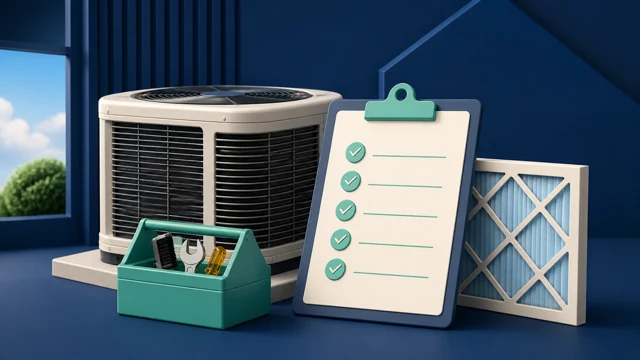
| Central HVAC | 12-20 years | Maintenance affects service life |
| Water heater | 8-15 years | Tank type and water quality matter |
| Exterior paint | 5-12 years | Sun, moisture and siding material matter |
Why age is only one signal
Installation quality, water intrusion, ventilation, use patterns and deferred maintenance can shorten service life. Some older systems keep working safely with good maintenance, while neglected newer systems may fail early.
How to use the table
List your major systems, estimate age and condition, then identify items likely to need attention in the next five years. Pair this with an annual maintenance reserve.
When to inspect sooner
Leaks, unusual sounds, repeated breaker trips, moisture stains, combustion odors and visible structural movement should be checked promptly.
Build a home-system inventory before using lifespan ranges
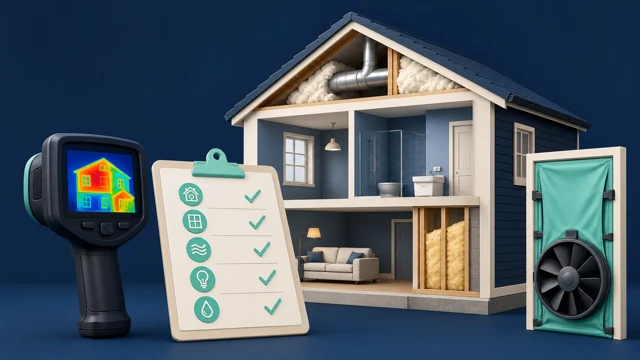
Start with the installation date, model number, service history and current condition of each major component. Useful records include inspection reports, permits, invoices, warranty documents and photographs of equipment labels. When the exact age is unknown, a qualified inspector or contractor may be able to estimate it from model information and visible condition.
Separate systems that can create immediate safety or water-damage risk from items that are mainly cosmetic. Electrical panels, active plumbing leaks, combustion appliances, roof openings and structural movement normally deserve attention before worn flooring or an aging but functional appliance.
Use three planning horizons
- Now: active leaks, unsafe operation, repeated outages or damage that is getting worse.
- Next one to three years: older systems with declining performance, increasing service calls or visible wear.
- Later: components that are functioning normally but should be tracked in a long-term reserve plan.
This approach avoids treating every older system as an emergency while still making future replacement costs visible.
Condition matters more than a birthday
A lifespan range is not a countdown clock. Climate, installation quality, maintenance, ventilation, water chemistry, usage and previous repairs can move a component far outside a national planning range. A newer roof with poor flashing may need work before an older roof that was installed and maintained well.
Look for trends: increasing energy use, recurring leaks, corrosion, unusual noise, frequent breaker trips, uneven heating or cooling, and repairs that no longer restore reliable operation. These signals are more useful than age alone.
Turn the inventory into a reserve plan
For each major system, record a broad replacement-cost range from current local quotes, choose a cautious target year, and divide the target amount by the months remaining. Keep this project reserve separate from routine maintenance and emergency savings. Review the list at least once a year and after any inspection or major repair.
Questions to ask a qualified professional
- What condition issue is most likely to shorten the remaining service life?
- Which maintenance action would materially reduce risk?
- Is repair still practical, and are replacement parts available?
- What warning signs should trigger an earlier inspection?
- Does replacement require related electrical, structural, permit or code work?
Frequently asked questions
Should everything be replaced at the end of a published lifespan?
No. Use the range to plan an inspection and reserve, then make the decision from condition, safety, performance and qualified advice.
Can maintenance extend service life?
Appropriate maintenance can reduce preventable wear, but it cannot correct every design, installation or material problem. Follow manufacturer instructions and local safety requirements.
Methodology and limitations
HomeCostBrief uses dated sources and explains assumptions, geography, property condition and exclusions where they materially affect a planning range.
Sources and references
- Energy Saver, U.S. Department of Energy
HomeCostBrief Editorial Team
This guide is prepared by the HomeCostBrief Editorial Team using cited sources, transparent assumptions and a general-information standard.
Read about the editorial team or report an issue through Corrections.
General-information disclaimer
This guide is general planning information only. It is not a quote, appraisal, inspection, insurance recommendation, legal advice, tax advice, engineering advice or contractor recommendation.
Corrections
See something that should be updated? Email [email protected] or visit Corrections.