Quick answer
EPA guidance says the average household septic system should generally be inspected at least every three years, while tanks are often pumped every three to five years. Actual timing depends on tank size, household use, solids accumulation and system type; systems with pumps or mechanical components may need more frequent service.
Understand the system you own
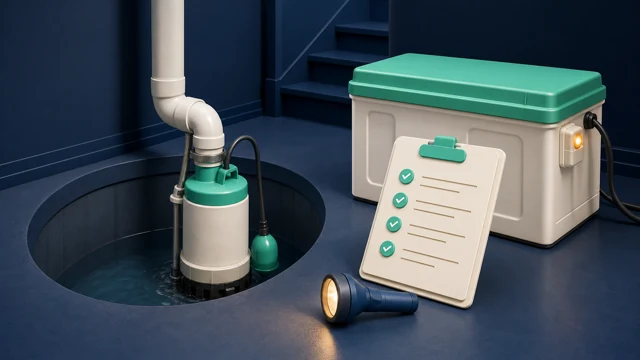
A conventional septic system normally includes a tank and soil absorption area or drainfield. Alternative systems can include pumps, controls, treatment units or other components that require a more specific maintenance schedule.
Locate permits, installation records, prior inspection reports and service receipts. If the components are not mapped, ask a qualified septic professional to document access points and drainfield boundaries.
Inspection and pumping frequency
Inspection is not the same as pumping. A professional can evaluate sludge and scum levels, baffles, filters, pumps, alarms, signs of leakage and the condition of accessible components. Pumping removes accumulated solids before they migrate into the drainfield.
EPA’s general interval is a planning starting point, not a substitute for local rules or measured tank conditions. Household size, tank capacity, garbage-disposal use and water consumption can shorten or lengthen the interval.
Daily habits that reduce stress
Spread high-water-use activities through the week, repair leaking fixtures and use efficient appliances where practical. A large surge of water can reduce settling time in the tank and push solids toward the treatment area.
Flush only human waste and toilet paper. Avoid disposing of wipes, grease, chemicals, medications, cat litter and other materials that can clog, disrupt or contaminate the system. Septic additives are not a replacement for maintenance.
Protect the drainfield
Keep vehicles, structures, pools and heavy equipment away from the drainfield. Compaction and physical damage can reduce soil treatment performance. Direct roof, foundation and surface drainage away from the area.
Maintain shallow grass cover unless local professionals recommend something different. Deep-rooted trees and shrubs can damage components, while excess irrigation can saturate the soil.
Warning signs that need prompt attention
Sewage backup, slow drains throughout the house, gurgling plumbing, sewage odor, unusually green or wet areas over the system and activated alarms can indicate a problem. Stop unnecessary water use and contact a qualified professional.
Do not enter a septic tank. Tanks can contain toxic gases and create collapse or drowning hazards. Repairs and inspections should follow local permitting and safety requirements.
Septic System Maintenance checklist
- Find the permit and system map
- Record the last inspection and pumping date
- Test alarms according to professional instructions
- Repair household water leaks
- Keep vehicles off the drainfield
- Save service reports for future owners
Frequently asked questions
How often should a septic tank be pumped?
Many household tanks are pumped every three to five years, but actual need depends on system design, use and measured solids.
Do septic additives replace pumping?
No. EPA guidance emphasizes inspection, pumping as needed, water efficiency and proper waste disposal.
Can I build over a drainfield?
Structures and heavy loads can damage or compact the treatment area. Check local rules and consult a septic professional before changing the site.
Research transparency
How this guide was prepared
This guide summarizes publicly available U.S. government, regulator or industry-source material listed below. It explains planning concepts and questions to verify; it does not provide a property-specific quote, inspection, coverage decision, legal opinion or tax advice.
Sources and references
- How to care for your septic system — U.S. Environmental Protection Agency
- Frequent questions on septic systems — U.S. Environmental Protection Agency
- New homebuyer guide to septic systems — U.S. Environmental Protection Agency
Sources were checked for this guide on July 27, 2026. Policy terms, tax rules, insurance forms, incentives and local requirements can change.
General-information disclaimer
This guide is for general planning only. It is not a quote, policy interpretation, legal advice, tax advice, engineering advice or a substitute for a licensed professional who can review your property and documents.