Quick answer
After water damage, keep people away from electrical, structural and contaminated-water hazards. Stop the source if it is safe, notify the appropriate insurer or landlord, photograph the damage, remove standing water with safe methods and begin ventilation and dehumidification. Floodwater and sewage require more protective procedures than a clean supply-line leak.
Do not enter until the area is safe
Standing water can conceal energized wiring, unstable floors, sharp debris and contamination. If the building may be structurally damaged, has a gas odor, contains downed power lines or has water near electrical equipment, stay out and contact emergency or utility professionals.
Do not switch breakers or use appliances while standing in water. Electrical restoration and drying equipment may require a qualified electrician, especially when panels, outlets or wiring were wet.
Stop the source and protect the property
For a plumbing leak, close the local valve or main water supply if it can be reached safely. For roof or storm damage, temporary measures may be needed, but do not climb or tarp in dangerous weather.
Take reasonable steps to prevent additional damage without making permanent repairs before the insurer has had a chance to advise or inspect. Keep receipts for emergency work, equipment and temporary lodging.
Document before cleanup changes the scene
Create wide and close photographs, video, room lists and notes about water depth or staining. Photograph model and serial numbers on damaged appliances and systems. Save samples only when requested and safe.
Documentation should not delay urgent health or safety actions. Perishable food, sewage-contaminated materials and other hazards may need prompt disposal; photograph them first when possible.
Remove water and dry materials
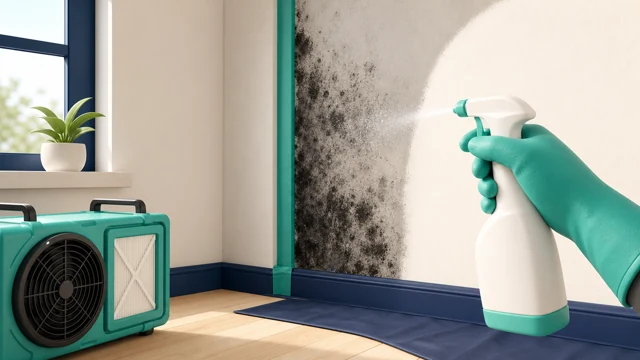
Extraction, airflow and dehumidification should begin as soon as conditions are safe. Open assemblies only when necessary and with attention to electrical, structural, lead and asbestos risks.
EPA guidance commonly emphasizes drying wet materials within 24 to 48 hours where possible to reduce mold growth. Porous materials that cannot be dried or cleaned may require removal.
Choose restoration scope carefully
A restoration proposal should identify the water source and contamination category, affected materials, drying plan, monitoring method, demolition limits and reconstruction responsibilities. Ask who controls the equipment and how completion is measured.
Avoid signing broad assignment or payment documents without understanding them. Insurance coverage, contractor licensing and consumer-protection rules vary by state.
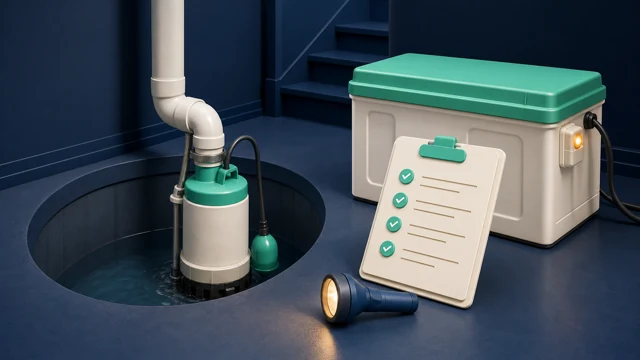
Water Damage Cleanup Checklist checklist
- Keep occupants away from unsafe areas
- Shut off water only when safe
- Call emergency, utility and insurance contacts
- Photograph rooms and damaged items
- Save receipts and a daily activity log
- Monitor moisture after visible surfaces dry
Frequently asked questions
Should fans be used after every water loss?
Air movement can help drying, but it may be unsafe with contaminated water, disturbed mold or electrical hazards. The method should match the loss.
What should be thrown away?
Highly contaminated or unsalvageable porous materials may require disposal. Follow public-health and restoration guidance for the specific water source.
Does homeowners insurance cover water damage?
Coverage depends on the cause, policy language and endorsements. Sudden internal leaks may be treated differently from flood, seepage, maintenance or sewer backup.
Research transparency
How this guide was prepared
This guide summarizes publicly available U.S. government, regulator or industry-source material listed below. It explains planning concepts and questions to verify; it does not provide a property-specific quote, inspection, coverage decision, legal opinion or tax advice.
Sources and references
- Stay safe cleaning after a flood — Federal Emergency Management Agency
- Mold and moisture guide — U.S. Environmental Protection Agency
- Document damages after severe weather — Federal Emergency Management Agency
Sources were checked for this guide on July 27, 2026. Policy terms, tax rules, insurance forms, incentives and local requirements can change.
General-information disclaimer
This guide is for general planning only. It is not a quote, policy interpretation, legal advice, tax advice, engineering advice or a substitute for a licensed professional who can review your property and documents.